Röstgrade im Überblick

Hell, mittel oder dunkel: Der Röstgrad bestimmt, wie deine Tasse schmeckt.

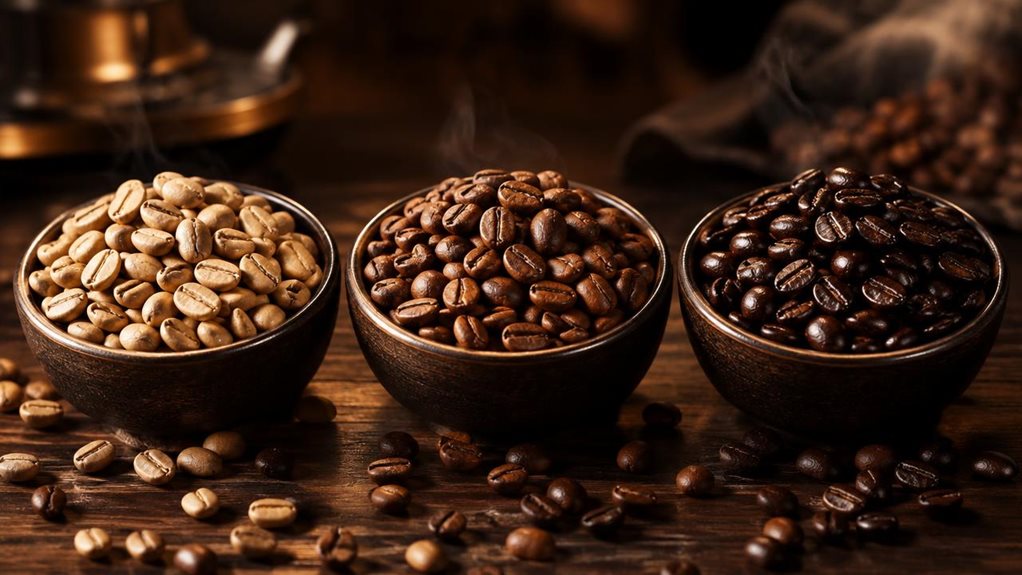
Mit dem Röstgrad verschiebt sich der Geschmack: Helle Röstungen zeigen mehr Säure und Fruchtnoten der Bohne, dunkle Röstungen mehr Röstaromen und Bitterkeit.

Welche Stufe dir schmeckt, hängt von Sorte, Zubereitung und persönlichem Geschmack ab. Hier siehst du die Stufen im Vergleich.

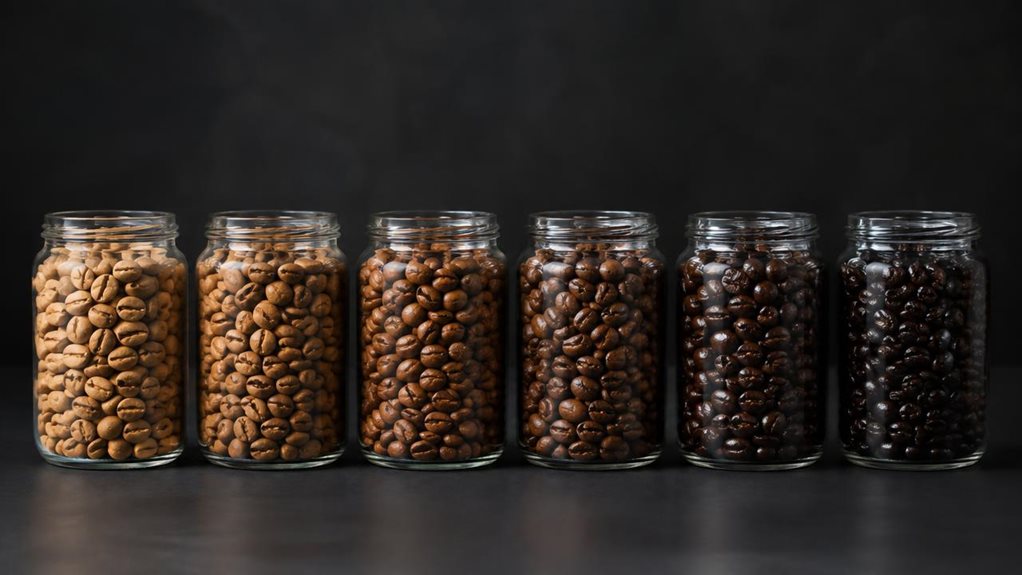
Die fünf Stufen

  • HellFruchtig, lebendige Säure, florale Noten.
  • MittelAusgewogen, Karamell und Nuss.
  • Mittel-dunkelKräftig, Schokolade, viel Körper.
  • DunkelRauchig-süß, wenig Säure.
  • Sehr dunkelIntensiv, herbe Bitternoten.

Ratgeber

Röstgrade: alle Artikel (12)

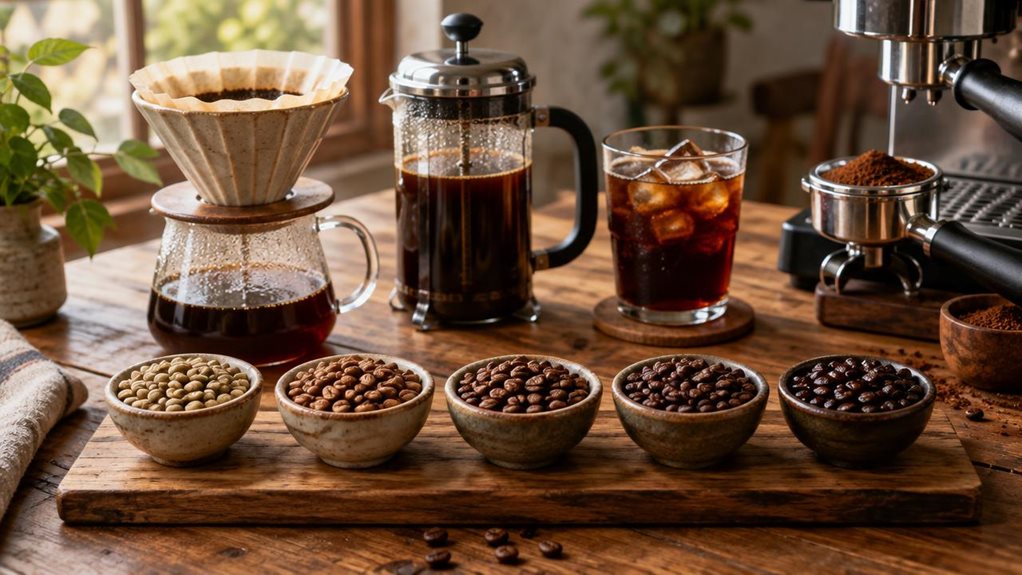
A high-end food photograph of a rustic coffee tasting setup on a wooden table: neatly arranged coffee beans in small ceramic bowls labeled by roast level through visual cues only, alongside a pour-over cone, French press, espresso machine portafilter, and a cup of cold brew. Warm natural window light, rich brown tones, crisp textures, shallow depth of field, editorial composition, no text or words anywhere.

Welcher Röstgrad passt zu welcher Zubereitungsmethode?

Röstgrad und Zubereitungsmethode sollten zusammenpassen.

Weiterlesen
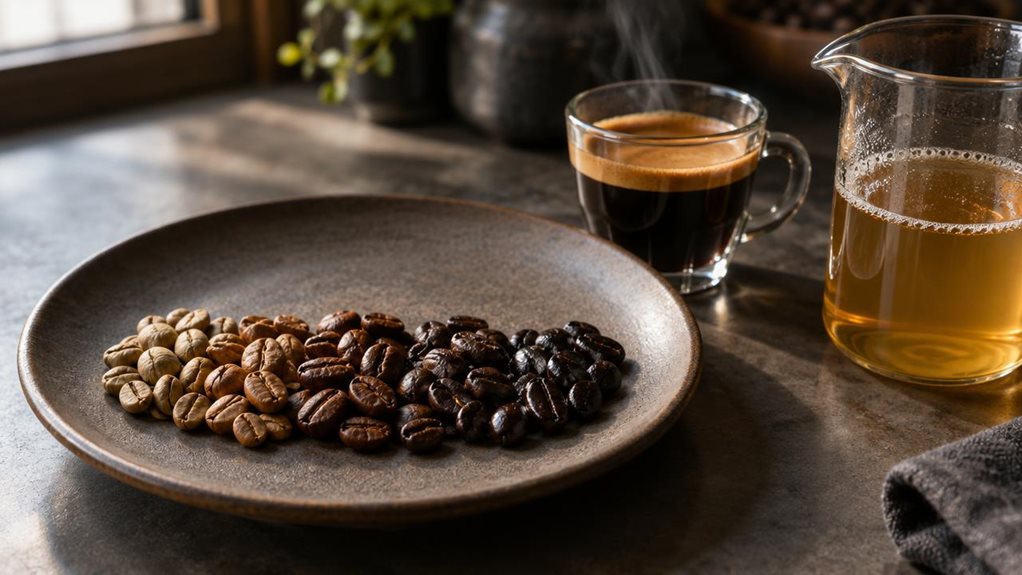
A high-end documentary-style photograph of several coffee beans arranged in a gradient from light roast to dark roast on a matte ceramic plate, beside a small glass cup of espresso and a pale brewed coffee in a clear beaker. Soft window light highlights oily, cracked surfaces and delicate steam. Rich browns, amber, and black tones, shallow depth of field, crisp texture, natural shadows, no text, no words.

Röstgrad und Koffein: Was stimmt wirklich?

Bedeutet dunkle Röstung mehr Koffein? Nein.

Weiterlesen
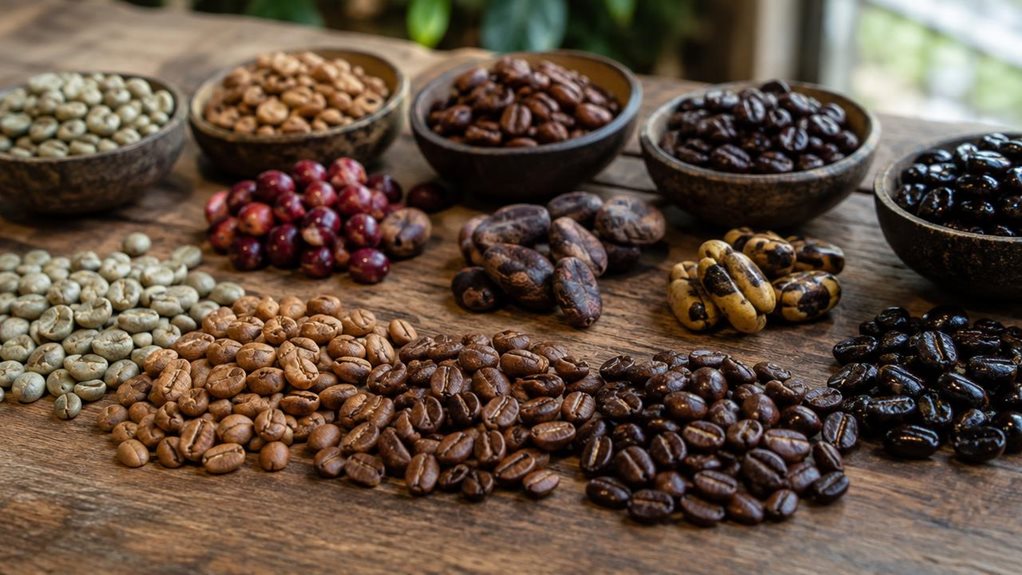
A high-end camera photograph of assorted coffee beans arranged on a rustic wooden surface, showing a clear progression of roast levels from pale green unroasted beans to cinnamon, medium brown, dark brown, and glossy near-black beans. Include a few specialty bean varieties with distinctive shapes and sizes in shallow bowls and loose piles. Soft natural window light, crisp texture, rich tonal contrast, shallow depth of field, no text, no words.

Röstgrad und Bohnensorte: Was zusammenpasst

Du willst Jasmin- und Beerennoten? Wähl eine helle Röstung mit fruchtigen äthiopischen oder kenianischen Bohnen. Dunkles Rösten zerstört diese zarten Aromen.

Weiterlesen
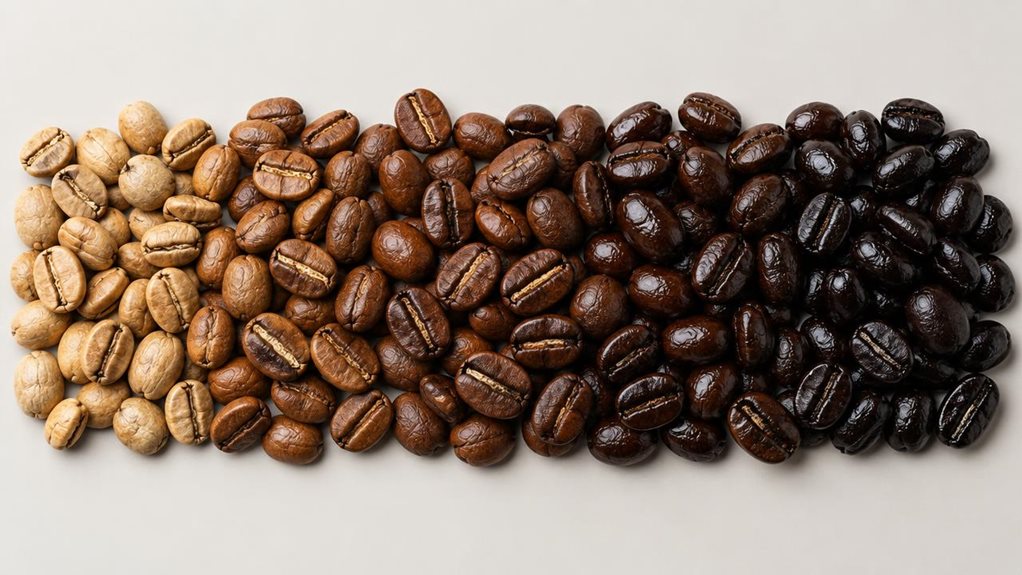
A high-end studio photograph of coffee beans arranged in a gradient from light to dark roast, showing precise variations in color, sheen, and surface texture. The light roast beans appear matte and tan, the medium roast beans rich chestnut with subtle oil, and the dark roast beans deep brown to nearly black with glossy highlights. Clean neutral background, sharp focus, natural shadows, no text, no labels.

Röstgrad erkennen: Farbe, Oberfläche und Agtron-Skala

Du kannst den Röstgrad schon erkennen, bevor du überhaupt einen Schluck nimmst.

Weiterlesen
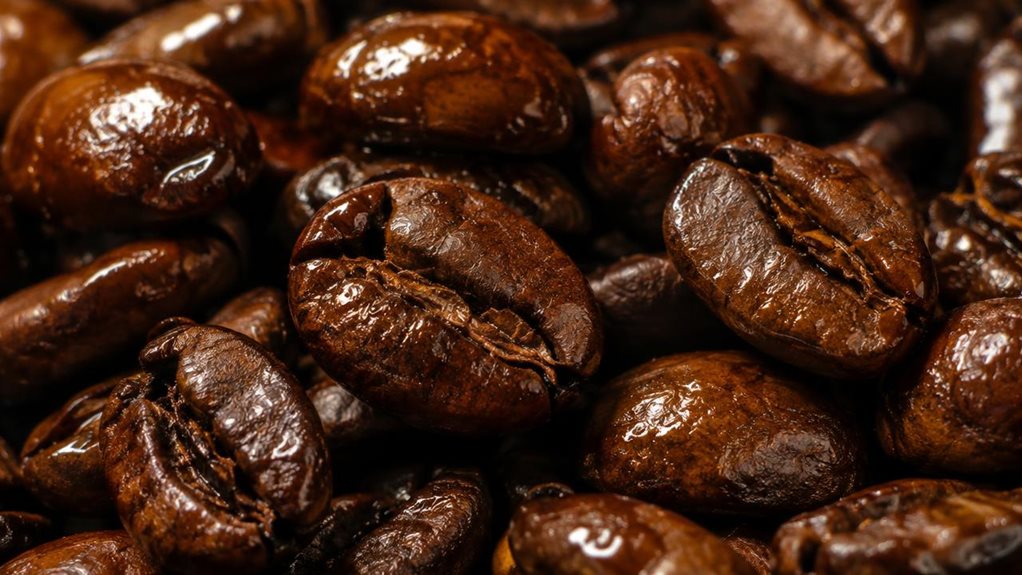
Close-up high-resolution photograph of coffee beans with a glossy oil sheen pooling in tiny highlights across dark brown surfaces. Individual beans are sharply defined, showing subtle cracks, wrinkled textures, and reflective curves under warm directional light. The composition feels rich and tactile, with deep shadows and amber glints emphasizing freshness and roast depth. No text, no labels, no words, just a detailed macro-style image captured with a high-end camera.

Öl auf Kaffeebohnen: Was der Glanz verrät

Dieser glänzende Schimmer auf deinen Bohnen entsteht durch Fett, das durch winzige Risse in der Oberfläche der Bohne austritt. Das Rösten erzeugt diese Risse, das ist Physik, keine Magie.

Weiterlesen
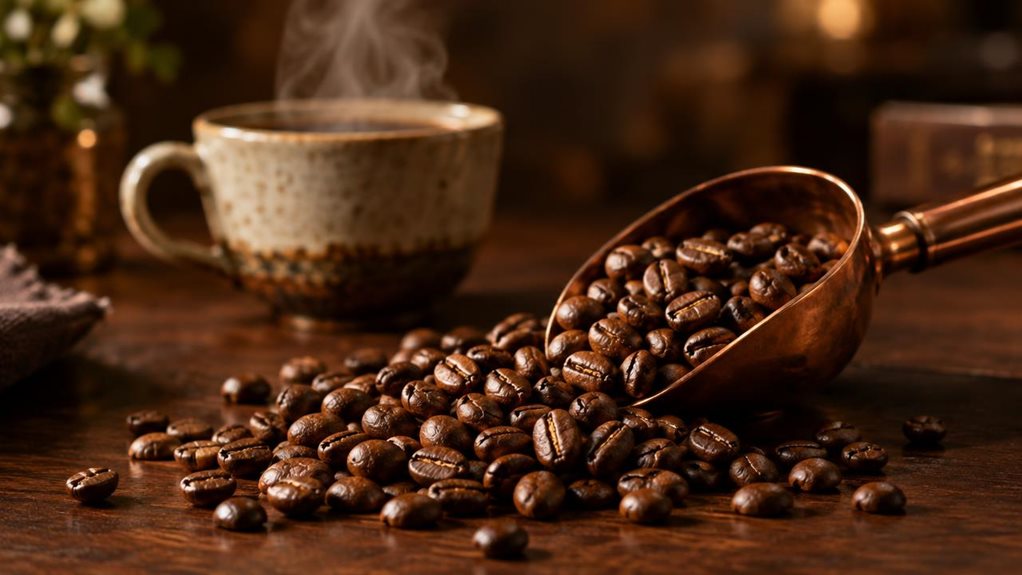
A high-end, studio-style photograph of medium roast coffee beans scattered on a dark walnut surface, with a small pile beside a polished copper scoop. Warm amber light highlights their smooth, medium-brown sheen and subtle oil glint, emphasizing balanced roast color. In the background, a softly blurred ceramic cup releases gentle steam, creating a rich, inviting atmosphere with crisp texture, shallow depth of field, and natural shadow detail.

Mittlere Röstung: Der Alleskönner unter den Röstgraden

Mittlerer Röstgrad ist der Alleskönner unter den Kaffees. Du bekommst Karamell, braunen Zucker und geröstete Nüsse, mit einem Hauch Kakao. Säure ist noch vorhanden, aber weicher, und diese Süße bindet alles schön zusammen.

Weiterlesen
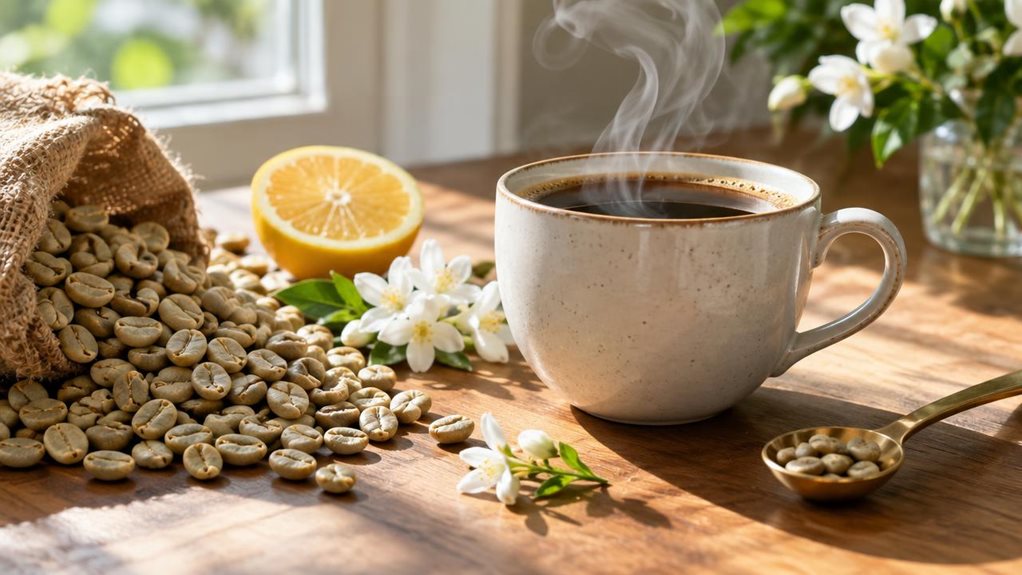
A high-end camera photograph of a light roast coffee setup: pale, glossy coffee beans spilled beside a ceramic cup of brewed coffee, soft steam rising in delicate curls. Bright morning light streams through a window, creating crisp highlights and gentle shadows on a wooden table. A citrus slice, jasmine blossoms, and a tasting spoon suggest vibrant acidity and floral aroma. Clean, elegant composition with natural textures, no text.

Heller Röstgrad: Aroma, Säure und für wen er geeignet ist

Heller Röstgrad passt zu dir, wenn du auf helle, lebendige Aromen stehst. Das Rösten endet direkt nach dem ersten Knacken, einem Punkt, an dem die Bohnen beim Ausdehnen hörbar knacken.

Weiterlesen
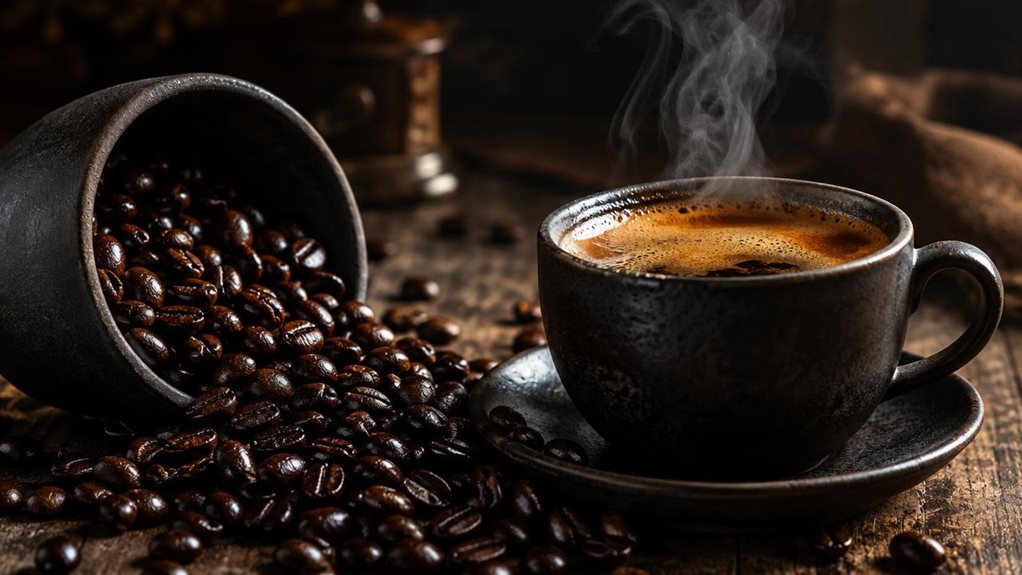
A high-end, close-up photograph of a dark roast coffee setup: glossy black-brown beans spilling from a matte ceramic bowl beside a steaming cup, rich crema catching soft side light. Wisps of vapor rise against a moody, blurred background of warm wood and deep shadows. Tiny oil highlights gleam on the beans, emphasizing depth, intensity, and aroma. No text, no labels, only tactile, cinematic detail.

Dunkler Röstkaffee: Stark, Bitter oder Einfach Aromatisch?

Dark Roast ist ehrlich gesagt alle drei.

Weiterlesen
A high-end DSLR photograph of three elegant coffee roasters side by side, each displaying distinct roast stages: pale golden light roast, rich chestnut medium roast, and deep glossy dark roast. Warm studio lighting highlights the beans’ textures and sheen, with subtle steam and soft shadows on a dark wooden surface. Crisp, shallow depth of field, luxurious commercial product style, no text, no labels, no words.

Bestimme den Röstgrad selbst: Helle, Mittlere, Dunkle Röstung

Du kontrollierst den Röstgrad mit deinen Ohren, nicht mit Glück. Der erste Crack, ein scharfes Knallgeräusch, tritt bei 196-205°C auf, das ist dein Signal für helle Röstung.

Weiterlesen
A high-end camera photograph of six glass jars arranged in a clean gradient from pale cinnamon to deep ebony coffee beans, illustrating roast levels from light to dark. Soft studio lighting highlights glossy textures, subtle oil sheen on darker beans, and the rich variation in color and surface. Minimalist dark backdrop, shallow depth of field, crisp detail, no labels, no text, elegant editorial composition.

Kaffeeröststufen: Der Überblick von Hell bis Dunkel

Kaffeeröststufen reichen von hell bis dunkel. Zwei Punkte bestimmen, wo deine Bohnen landen: das erste und das zweite Knacken, bei denen die erhitzten Bohnen hörbar knacken, während Gase entweichen.

Weiterlesen
A high-end camera photograph of a dense, elegant cityscape in Vienna at golden hour, showing ornate historic rooftops, spires, domes, and grand stone facades stretching across the frame. The scene feels full and layered, with warm sunlight reflecting off windows and pale rooftops under a soft blue sky. Crisp architectural detail, natural color, and subtle atmospheric depth. No text, no signage, no words in the image.

Stadt, Voll City, Wien, Französisch: Die Röststufen Erklärt

Diese Röstnamen sind keine feste Skala. Sie sind anschauliche Kurzbezeichnungen, die in der Geschichte verwurzelt sind.

Weiterlesen
A high-end DSLR photograph of a tasting setup showing three glass cups of coffee in a row, each a different roast level from light amber to deep mahogany. A hand holds a spoon above the brightest cup, with small citrus peel, berries, and caramel notes arranged beside it. Soft natural window light highlights steam, glossy surfaces, and rich texture on a wooden table. No text, no labels.

Säure im Kaffee: Wie der Röstgrad den Geschmack beeinflusst

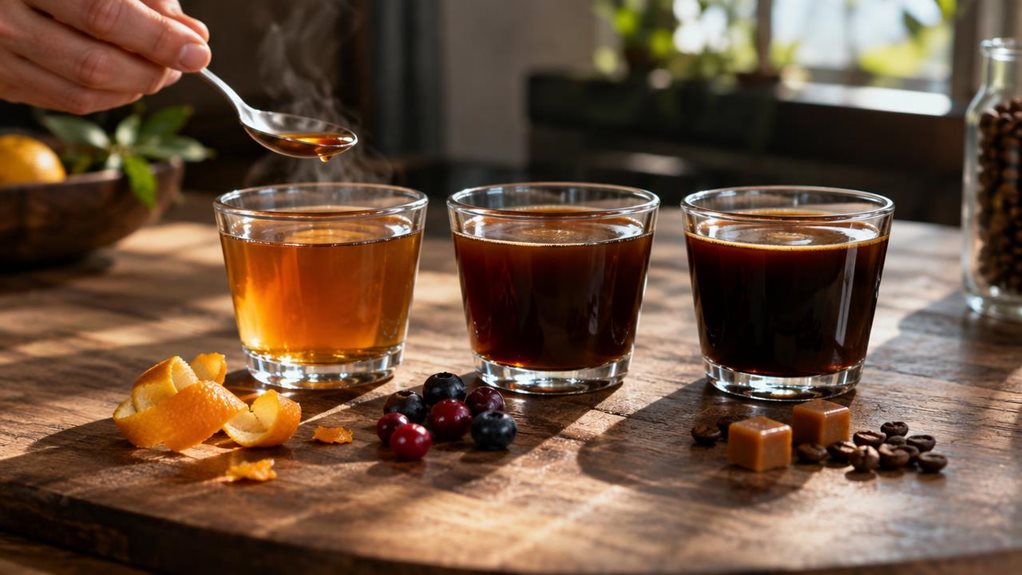
Der Röstgrad verändert die Säure von Kaffee erheblich. Helle Röstungen behalten mehr Chlorogensäure, eine organische Verbindung, die einen frischen, lebendigen Geschmack erzeugt.

Weiterlesen